
Peptides vs Retinol for Men Over 50: Which One Fits a 5-Minute Routine?
If you’ve spent any time researching skincare for men over 50, you’ve probably come across two ingredients more than any others: peptides and retinol. Both are backed by science. Both genuinely work. But they work very differently — and for a man with a 4-minute morning routine, only one of them makes practical sense as a starting point.
This is not a complicated debate. By the end of this article you’ll know exactly which one to use, when, and why.
Before I found peptides, I looked into retinol — it kept coming up in every article I read. But when I saw the adjustment period (4-6 weeks of redness and peeling, night use only, no sun exposure) I decided it wasn’t compatible with my routine or my lifestyle. I wanted something I could use in the morning, every day, without side effects. That’s what led me to peptides — and I haven’t looked back.
What retinol actually does
Retinol is a derivative of Vitamin A. It works by accelerating cell turnover — essentially forcing your skin to shed old cells faster and produce new ones. The results are real: reduced fine lines, improved texture, more even skin tone.
The problem for men over 50 with busy routines is the adjustment period. Retinol causes irritation, redness, and peeling for the first 4-6 weeks — sometimes longer. You can only use it at night. You need to avoid sun exposure afterward. And you have to build up tolerance slowly, starting every 3 days before using it daily.
For someone who wants results without disruption, this is a significant ask.
What peptides actually do
Peptides signal your skin to produce more collagen naturally. No irritation. No adjustment period. No restrictions on when you apply them. You can use them morning and evening from day one.
The results are more gradual than retinol — you won’t see dramatic peeling that signals “something is happening.” But after 8-12 weeks the improvement in skin firmness and texture is measurable, and unlike retinol, you’re not causing controlled damage to get there.
The honest comparison
Retinol:
- Works faster for deep wrinkles
- Requires 4-6 weeks adjustment with irritation
- Night use only
- Cannot use if skin is sensitive or reactive
- Needs careful sun protection
Peptides:
- Works more gradually but consistently
- Zero adjustment period
- Morning and evening use
- Safe for all skin types including sensitive
- No special sun protection required beyond normal SPF
Which one should you start with?
If you are new to skincare, start with peptides. The routine is simpler, the risk is zero, and the results are consistent. Add retinol later — 2-3 nights per week only — once your skin is already in good condition from peptide use.
If you already have a routine and want to accelerate results, add a low-percentage retinol (0.025% to start) on alternate evenings. Keep your peptide serum in the morning.
The two ingredients are not competitors — they work on different mechanisms and complement each other well. But peptides win on simplicity, which for a 4-minute routine matters more than anything else.
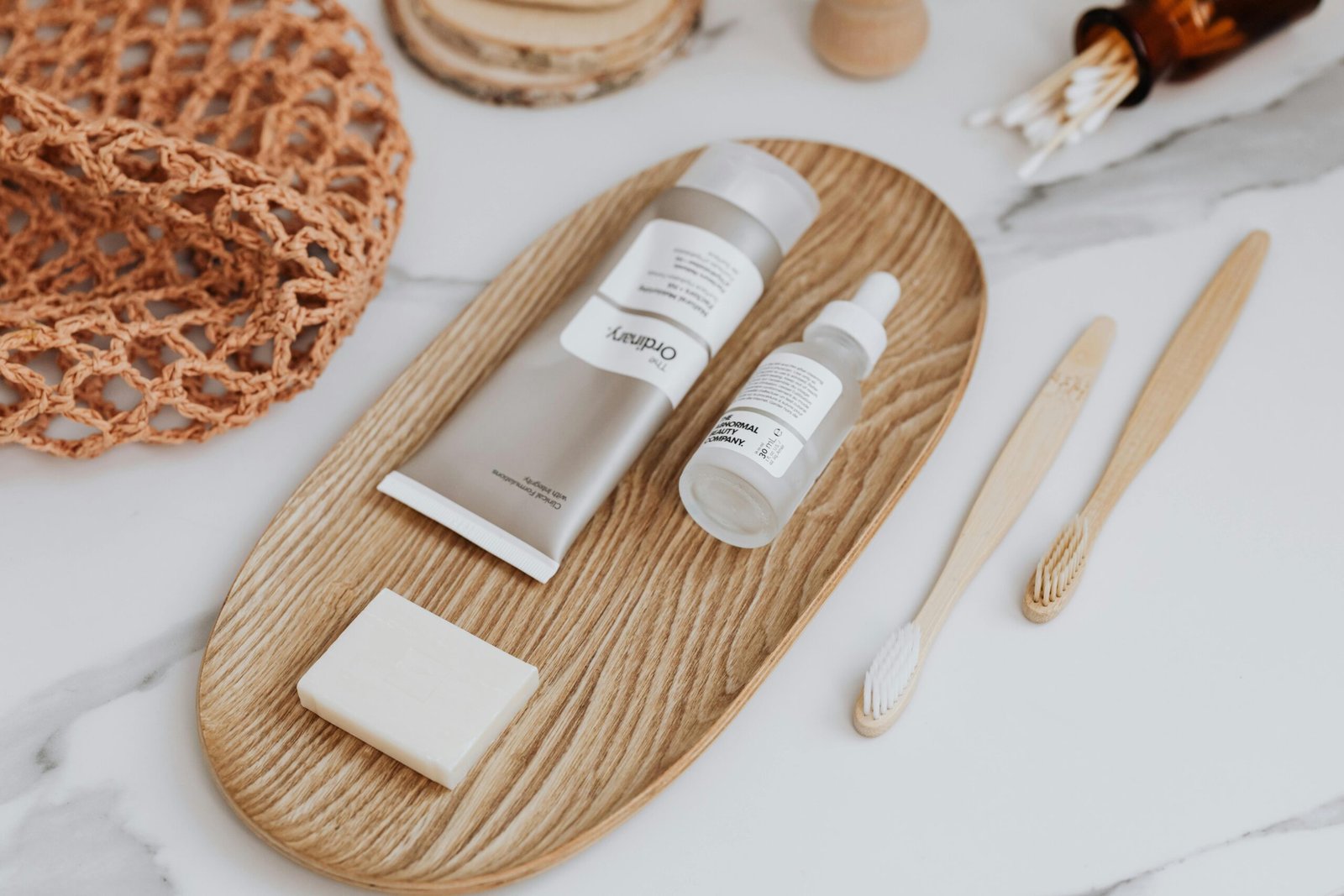
→ Start with The Ordinary Buffet — the best peptide serum for beginners
Frequently asked questions
Can I use peptides and retinol together? Not at the same time — retinol degrades some peptides. Use peptides in the morning, retinol in the evening.
Which works faster? Retinol shows results in 4-6 weeks but with side effects. Peptides show results in 8-12 weeks with no side effects.
Is retinol safe for men over 50? Yes, but start low and slow. 0.025% every 3 days for the first month, then increase frequency gradually.